Cowded games appear when too many players join the same match, server, or mode. Developers add features and marketing that attract players. Players cluster around trends, free events, or reward loops. The crowd creates long queues, lag, and social friction. This article explains causes, effects, practical play tips, and design responses for cowded essential hardware ultimate casino experience in 2026.
Key Takeaways
- Cowded games occur when too many players cluster in the same match or server, causing lag, long queues, and social friction.
- Players can improve their experience by choosing quieter servers, adjusting graphics settings, playing during off-peak hours, and using private matches or group filters.
- Overcrowding impacts gameplay clarity, server performance, and community health, often increasing toxic behavior and reducing fairness.
- Developers manage crowds by sharding servers, implementing population caps, scaling backend resources, and using automated moderation tools.
- Strategic content design like rotating events and staggered login rewards helps distribute player activity and reduce peak congestion.
- Monitoring metrics and quick targeted updates allow developers to maintain play quality despite player spikes in cowded games.
What “Cowded Games” Means: Causes And Player Dynamics
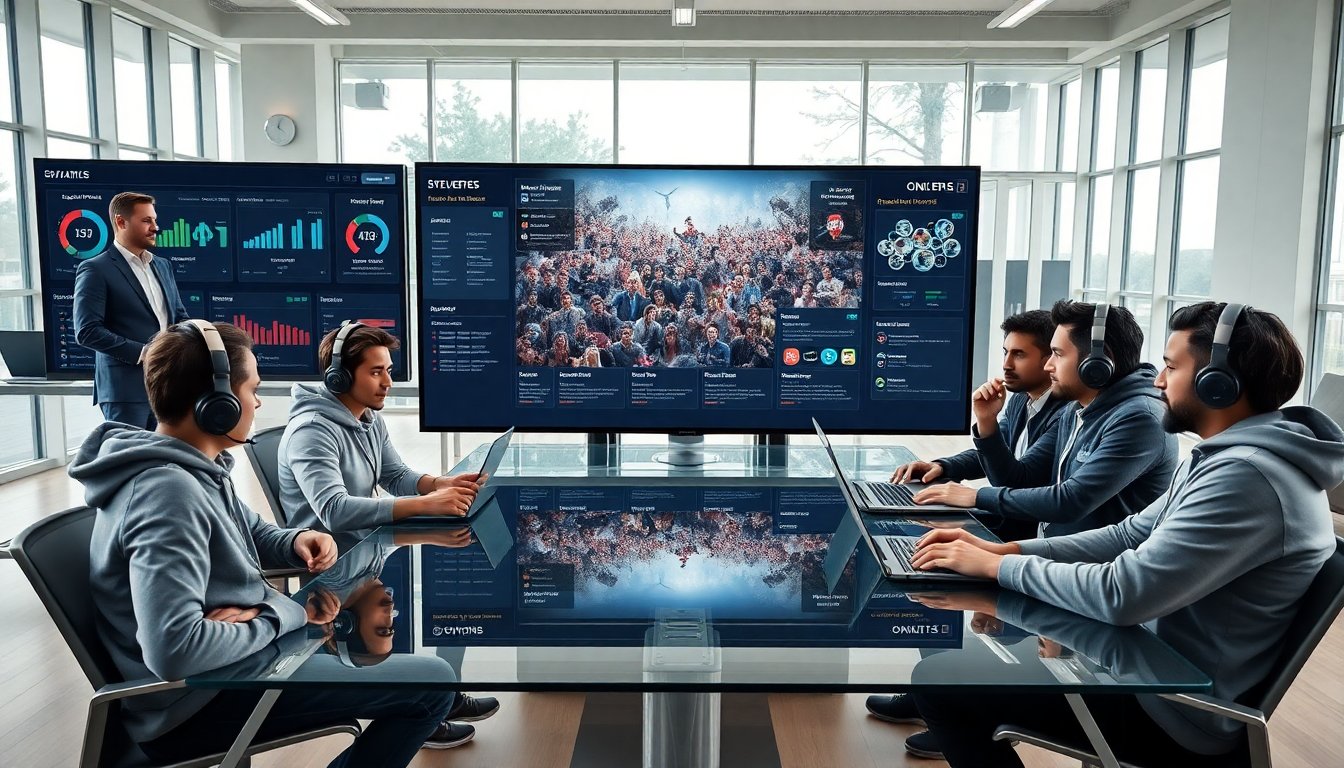
Cowded games describe multiplayer titles with active player concentrations that exceed optimal density. A spike in players causes matchmaking bottlenecks and busy lobbies. Developers trigger spikes with new seasons, free weekends, or viral content. Players follow streamers, trends, or limited-time rewards and create self-reinforcing crowds. Social systems such as clans, leaderboards, and co-op missions pull more participants into the same spaces. New players join crowded modes because they want instant action or visible progress. Veterans remain and form dense social hubs. The result creates uneven distribution across modes and times. This imbalance changes how players meet, compete, and cooperate.

How Overcrowding Affects Gameplay, Performance, And Community
Overcrowding alters gameplay pace and clarity. High player counts produce chaotic encounters, unclear objectives, and accidental team collisions. Servers face load spikes that cause lag, rubberbanding, and disconnects. Match fairness can decline when large groups coordinate off-game through voice or chat. Overcrowded chat channels fill with noise and reduce constructive discussion. Toxic behavior may increase because moderation tools struggle with volume. New players may feel overwhelmed and leave. Content creators see high viewer interest, but their audiences may face an inconsistent experience. Economies inside games can distort when too many players chase the same limited rewards. Overall, overcrowding stresses technical systems and social norms.
Practical Tips For Playing And Enjoying Cowded Games
Players can adjust actions to improve experience in cowded games. They can change settings to reduce visual clutter and lower network strain. They can pick quieter servers or regions to find steadier matches. They can play at off-peak hours to avoid spikes. They can join smaller modes or private matches when they want focused play. They can use group filters to avoid large public lobbies and find casual or competitive matches that fit their style. They can mute or limit chat to reduce noise. They can track patch notes and event calendars to plan sessions around lower traffic. They can report disruptive players and use in-game moderation tools.
Settings, Server Choices, And Time-Based Strategies
Players should adjust graphics and network settings to stabilize performance. They should reduce particle effects, lower view distance, and cap frame rates to avoid frame drops. They should enable packet loss compensation or lower tick rate if the client allows. They should test multiple servers and choose one with consistent ping. They should use third-party status pages or in-game server load indicators when available. They should play during region off-peak windows, like early weekday mornings or late nights. They should stagger play sessions to exploit quieter windows after major events. They should coordinate with small friend groups to form private queues when public queues are overcrowded. These actions minimize lag, reduce stress, and create clearer gameplay.
Design And Moderator Strategies Developers Use To Manage Crowds
Developers use several strategies to manage crowds in cowded games. They can shard servers to split players into multiple parallel instances. They can add soft caps on population per zone and funnel excess players into queue systems. They can create parallel content that spreads attention, such as alternate maps, rotating events, or side modes. They can scale backend resources dynamically to match peak loads and avoid persistent lag. They can apply rate limits and automated moderation to reduce chat noise and abuse. They can introduce matchmaking rules that favor balanced teams and prevent pre-made groups from dominating casual queues. They can offer incentive timing, like staggered login rewards, to smooth participation across hours. Developers can monitor metrics and roll targeted fixes quickly when crowd effects harm play quality.