
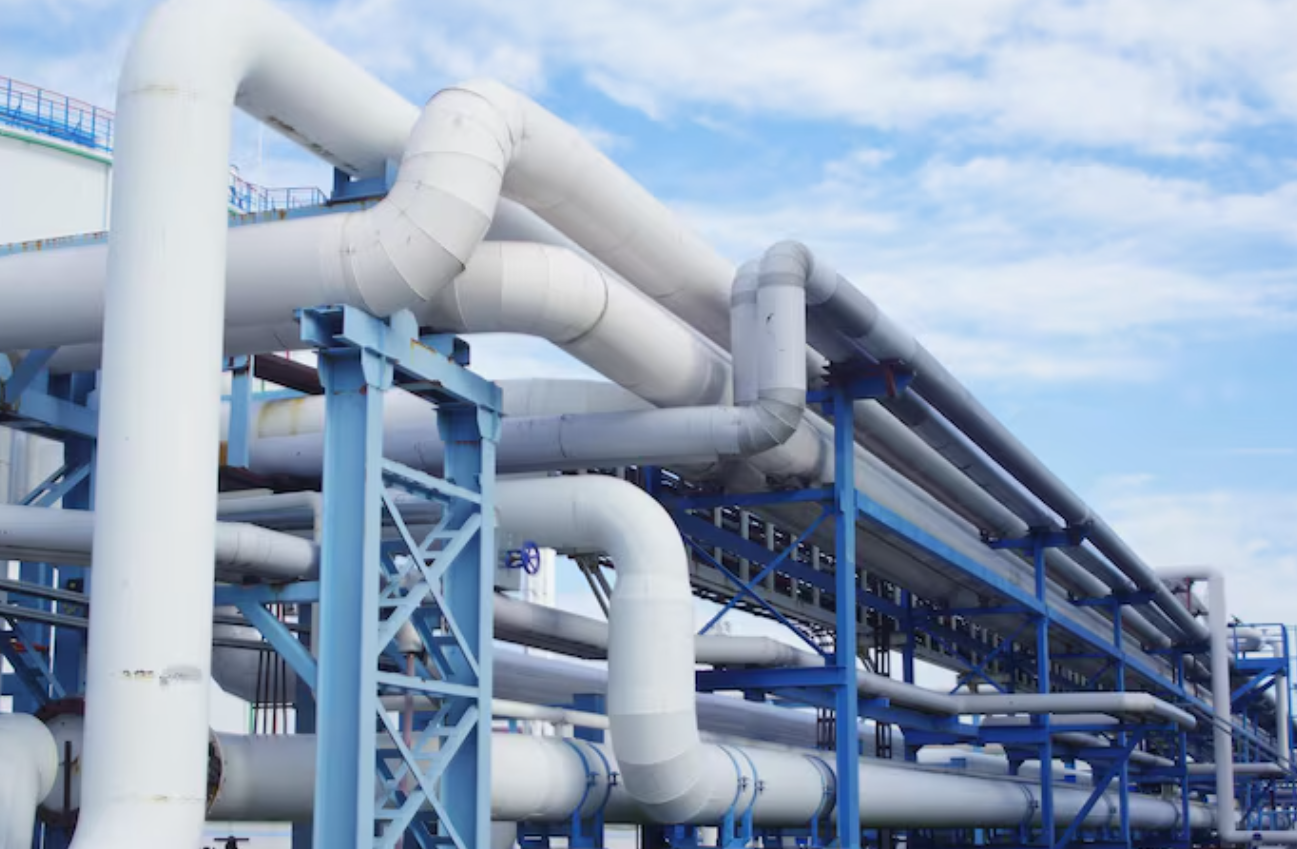
Modern industrial operations depend on gases for far more than basic fuel or combustion needs. Technical gases support welding, cutting, heating, metal processing, inerting, purging, and other controlled manufacturing processes. Their properties can directly affect productivity, process stability, workplace safety, and finished product quality.
Efficient gas management therefore requires more than simply having cylinders available at a worksite. Industrial facilities need to select suitable gases, control their flow, store them correctly, and monitor how they are consumed.

This is particularly important in welding and metal fabrication. Shielding gases protect the weld area from atmospheric contamination, while fuel gases and oxygen can support thermal cutting and related operations. ISO 14175 establishes classifications for gases and gas mixtures used in fusion welding and allied processes.
Understanding the Role of Industrial Gases
Industrial gases are used according to their physical and chemical properties. Oxygen, nitrogen, argon, carbon dioxide, hydrogen, and fuel gases can each perform very different functions within industrial environments.
Some gases provide an inert or controlled atmosphere. Others support combustion, heating, or cutting. In welding, gas selection can influence the behavior of the arc, the protection of molten metal, and the resulting weld characteristics.
A modern gas strategy begins by identifying the requirements of each process rather than treating every application in the same way.
Gases in Welding and Metal Fabrication
Gas-shielded welding processes require suitable gases or gas mixtures to protect the weld area. Atmospheric oxygen, nitrogen, and moisture can interact with molten metal and contribute to defects if the process is not adequately protected.
ISO 14175 covers gases and gas mixtures for processes including tungsten arc welding, gas-shielded metal arc welding, plasma welding, plasma cutting, laser welding, and laser cutting.
Different welding processes consequently require different gas characteristics. Material type, welding method, joint design, and process parameters should all be considered when selecting a suitable gas.
Fuel and Process Gases
Fuel gases can provide the thermal energy required for cutting, heating, brazing, and related operations. Propane is one example of a fuel gas used in industrial applications.
In some operations, automated equipment may regulate fuel delivery to maintain consistent process conditions. A term such as propan automat may therefore appear in discussions involving automated propane-based equipment and controlled industrial processes.
The equipment and gas combination should always be selected according to the specific application, operating conditions, and applicable safety requirements.
Improving Gas Efficiency Through Process Control
Gas consumption can become a significant operational consideration in facilities with continuous welding, cutting, heating, or manufacturing activities. Improving efficiency does not necessarily mean reducing gas flow as much as possible.
Instead, the objective is to maintain the flow and pressure required for the process while avoiding unnecessary consumption.
Matching Flow Rates to Applications
Excessive flow can waste gas without improving process performance. Insufficient flow, however, can compromise shielding and potentially affect weld quality.
Operators should therefore use process-specific settings established through appropriate procedures and equipment requirements. Regulators, flow meters, hoses, valves, and connections should also be maintained in suitable condition.
For welding applications, the correct shielding gas classification is an important part of process control. ISO 14175 provides a framework for classifying gases according to their chemical properties and metallurgical behavior.
Detecting Leaks and Unnecessary Consumption
Leaks can increase operating costs while also creating safety hazards. Small leaks may occur at valves, regulators, fittings, hoses, or connections.
Routine inspection can help identify problems before they become significant. Pressure behavior, unexpected cylinder depletion, and visible equipment damage can provide indications that further inspection is necessary.
Gas management programs should therefore include appropriate inspection procedures rather than relying exclusively on cylinder replacement schedules.
Safe Storage and Handling of Technical Gases
Efficiency cannot be separated from safety. Compressed gases can present hazards associated with high pressure, oxygen displacement, fire, explosions, and toxic exposure. The Occupational Safety and Health Administration identifies these as important hazards requiring specific storage, handling, and use precautions.
Facilities should establish procedures for receiving, storing, moving, connecting, and using gas cylinders and other gas containers.
Cylinder Inspection and Handling
Compressed gas cylinders should be inspected for safe condition before use. OSHA’s general industry requirements state that employers must determine whether cylinders under their control are in safe condition to the extent that this can be established through visual inspection.
Cylinders also need suitable protection against damage during storage and movement. Handling practices should prevent unnecessary impacts, contamination, and exposure to conditions that could compromise the container or valve.
Employees should receive training appropriate to the gases and equipment used at their workplace.
Separating Incompatible Hazards
Different gases can present different risks. Oxygen, for example, requires particular attention because it can intensify combustion. Flammable gases require controls designed to prevent ignition and manage potential leaks.
OSHA maintains specific requirements addressing compressed gases, acetylene, hydrogen, oxygen, nitrous oxide, and liquefied petroleum gases within its general industry standards.
Storage arrangements should therefore account for gas properties rather than treating all cylinders identically.
Designing Efficient Gas Distribution Systems
Larger industrial facilities may benefit from centralized distribution arrangements instead of relying entirely on individual cylinders at each workstation.
A properly designed distribution system can reduce unnecessary movement, improve organization, and provide more consistent delivery to production areas. However, system design must account for pressure requirements, material compatibility, ventilation, isolation, and emergency procedures.
Maintaining Pressure and Flow Stability
Stable gas delivery is particularly important for automated and high-volume processes. Variations in pressure or flow can affect equipment performance and process consistency.
Distribution systems should be inspected periodically, with regulators, valves, connections, and other components maintained according to their intended operating conditions.
A well-maintained system can also make abnormal consumption easier to identify. Sudden changes in demand may indicate a leak, equipment problem, or process deviation.
Supporting Automated Production
Industrial automation increasingly connects gas delivery with production equipment. Automated welding, cutting, heating, and manufacturing systems can require precisely controlled gas delivery.
Automation does not eliminate the need for human oversight. Instead, it creates a greater need for appropriate monitoring, maintenance, and safety controls.
Operators should understand the relationship between programmed process parameters and gas delivery. This makes it easier to identify deviations before they affect production quality.
Selecting Gases for Welding Applications
Gas selection should be based on the welding process, base material, consumable, joint requirements, and applicable specifications.
Argon and helium are commonly associated with inert shielding applications, while carbon dioxide and mixtures containing carbon dioxide can be used in certain gas-shielded welding processes. The appropriate composition depends on the specific welding application.
The objective is not simply to choose the most commonly used gas. It is to select a gas or mixture that is compatible with the required process.
Considering Weld Quality
Shielding gases influence the environment surrounding the weld pool. Inadequate shielding can allow atmospheric contamination to affect the welding operation.
Gas composition can also influence arc behavior and other process characteristics. Consequently, changes in gas selection should be treated as process changes rather than minor supply adjustments.
For industrial operations, documenting approved gas specifications can help maintain consistency across shifts and production areas.
Considering Workplace Conditions
Ventilation and surrounding conditions also matter. Welding can generate gases and vapors that require exposure assessment and appropriate controls.
ISO 10882-2:2024 provides guidance for determining worker exposure to gases and vapors during welding and allied processes, including MIG, MAG, TIG, plasma, oxy-fuel, laser, and cutting applications.
This reinforces the importance of considering both the process gas and the workplace atmosphere.
Managing Industrial Gas Consumption
Effective gas management combines technical planning with routine operational controls.
Facilities can establish procedures covering:
- Gas selection and approved specifications
- Cylinder inspection and storage
- Pressure and flow requirements
- Leak detection
- Equipment maintenance
- Operator training
- Consumption monitoring
- Emergency response
- Ventilation and exposure controls
Tracking consumption can also reveal opportunities for improvement. Unusual increases in gas usage may indicate leaks, incorrect settings, equipment deterioration, or changes in production activity.
The goal should be controlled consumption that supports reliable production without compromising safety or quality.
Building a More Reliable Gas Strategy
Modern industrial operations require gas systems that are reliable, measurable, and appropriate for each application. This is particularly relevant when facilities use several categories of industrigasser across welding, cutting, heating, and other manufacturing processes.
A structured approach can begin with a complete inventory of gases and applications. Each process can then be evaluated according to required purity, pressure, flow, storage conditions, and safety controls.
From there, facilities can establish maintenance schedules and consumption benchmarks. These measures make gas use easier to monitor and help identify operational abnormalities.
The Importance of Training and Procedures
Technology alone cannot create an efficient gas-management program. Workers need clear procedures explaining how gases should be transported, connected, adjusted, stored, and isolated.
Training should address the hazards associated with the specific gases used at the facility. It should also cover equipment operation, leak recognition, emergency procedures, and appropriate personal protective measures.
Written procedures can support consistency between operators and shifts. Regular reviews can ensure those procedures remain aligned with equipment changes, production requirements, and applicable regulations.
Future Trends in Industrial Gas Management
Industrial gas management is increasingly connected to automation, monitoring, and process optimization. Sensors and digital controls can provide information about pressure, flow, consumption, and equipment conditions.
Such information can support preventive maintenance and help production teams identify unusual patterns earlier. Automated systems may also make it possible to maintain more consistent process parameters across multiple workstations.
However, these technologies should complement established engineering and safety practices. Reliable gas management still depends on suitable equipment, correct gas selection, appropriate storage, competent operators, and regular inspection.
Conclusion
Modern gas solutions are an important part of efficient industrial operations. Their role extends from welding and cutting to heating, controlled atmospheres, manufacturing, and other technical processes.
Efficiency depends on selecting appropriate gases, maintaining stable delivery, controlling consumption, and preventing avoidable losses. Safety is equally important because compressed and industrial gases can create significant physical, chemical, fire, and atmospheric hazards.
For welding operations in particular, recognized standards such as ISO 14175 provide a framework for classifying gases and gas mixtures according to their properties and applications.
By combining process-specific gas selection with careful storage, monitoring, maintenance, and employee training, industrial facilities can build gas-management practices that support consistent production while addressing the risks associated with technical gases.