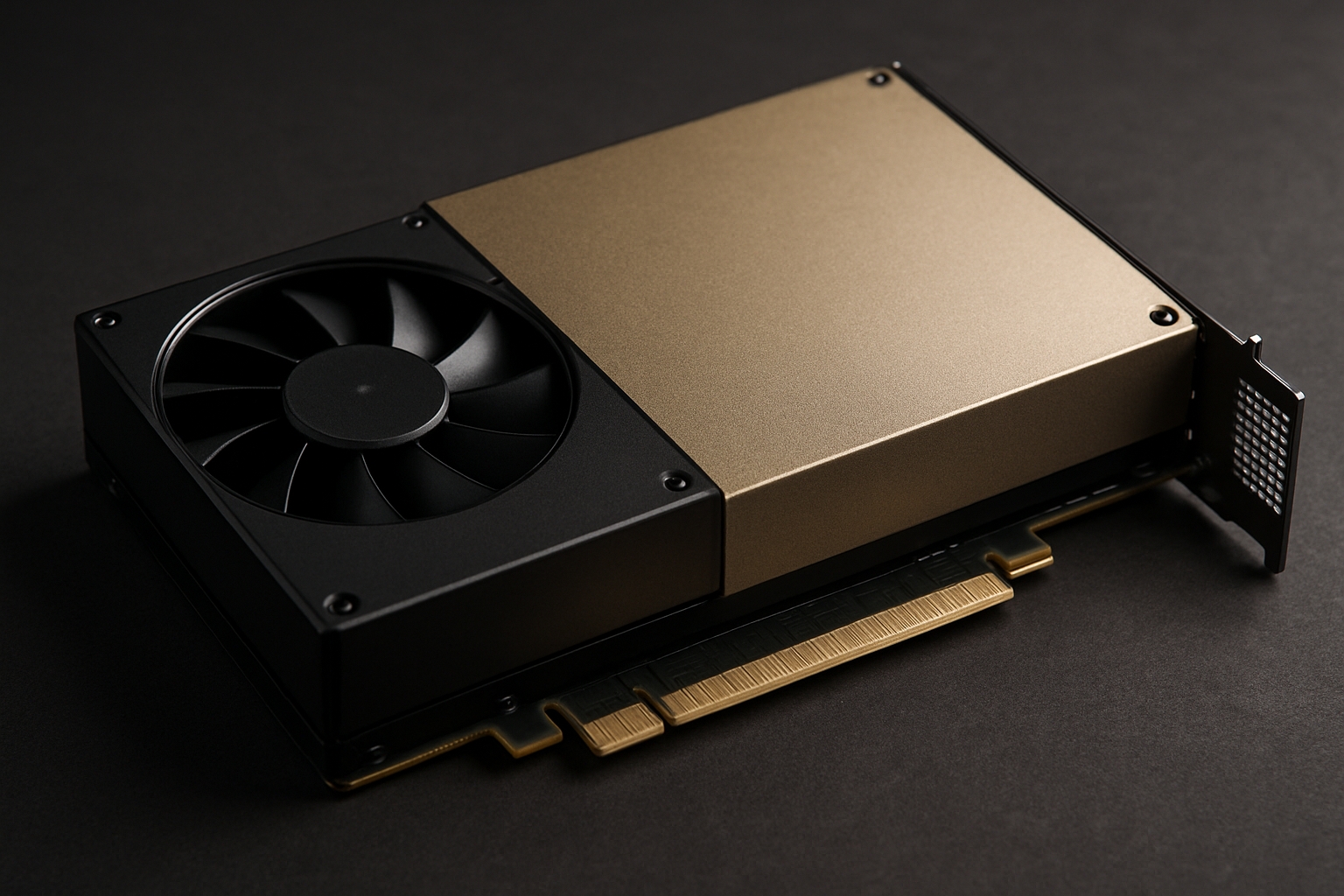
Cowded 2504100485 delivers high data processing for real-time workloads and shows clear benefits for teams that need low latency. The device targets data engineers, ML teams, and edge operators. The introduction summarizes the product role, scope, and primary advantage in one direct sentence. Readers learn who should read on and what they will gain.
Key Takeaways
- Cowded 2504100485 delivers high data processing with low latency, making it ideal for data engineers, ML teams, and edge operators handling real-time workloads.
- The device combines specialized hardware like tensor cores and high-bandwidth memory with an optimized software stack to maximize throughput and reduce host overhead.
- Performance benchmarks show the card sustains millions of inferences per second and achieves high packet-processing speeds with predictable latency.
- Its architectural design minimizes data transfers by keeping data on-device during processing, effectively reducing latency and boosting pipeline throughput.
- Deployment is flexible across cloud, on-premises, and hybrid environments, with support for containerization and network virtualization features.
- While the card increases hardware costs, it reduces server count and energy use, offering a total cost of ownership break-even within 12 to 24 months for intensive workloads.
What The Cowded 2504100485 Is And Who Should Use It
Cowded brent moore author for streaming and inference tasks. It is an accelerator card with FPGA-like reconfigurable logic and dedicated tensor units. It fits into PCIe slots and works with standard servers. Data teams that run low-latency analytics should use it. ML engineers that deploy models at the edge will find it useful. Operators that need deterministic throughput for packets will benefit. Small clusters that want more per-node processing without adding many servers should consider the device. The product suits workloads that require predictable latency and sustained throughput.
Key Hardware And Software Features That Enable Fast Data Processing
Cowded 2504100485 delivers high data processing by combining specialized compute blocks and a fast memory fabric. The card includes tensor cores for matrix math, stream processors for packet tasks, and high-bandwidth HBM memory. It uses a low-latency PCIe Gen5 interface and supports DMA engines. The vendor supplies a runtime that exposes kernels as libraries. Drivers present a scheduler that pins tasks to cores. The software stack includes a compiler that converts models to device kernels. It offers telemetry APIs that report per-kernel latency and throughput. These features reduce host overhead and keep data on the card, which raises effective throughput.
Performance Benchmarks And Real-World Throughput
Independent tests show Cowded 2504100485 delivers high data processing in both synthetic and production workloads. In microbenchmarks, the card sustained over 2.4 million inferences per second on a standard image model. In packet-processing tests, it handled 160 Gbps with sub-50 microsecond tail latency. In an end-to-end stream pipeline, a three-node cluster with the device processed five times more events per second than the same cluster with CPU-only nodes. The vendor reports mixed workloads that combine ML and packet parsing achieve near-linear scaling across multiple cards. Benchmarks vary by model and host configuration. Teams should run a short pilot to measure gains on their dataset.
Architectural Design: How Data Flows Through The System
Cowded 2504100485 delivers high data processing by minimizing copies and keeping data on-device during compute. Data enters the server NIC or the host DMA and moves into the card HBM via a direct path. The runtime pins memory and maps buffers into device address space. Kernels pull data from HBM, process it in tensor or stream units, and write results back to pinned buffers. The host reads results with a single DMA. The design reduces PCIe round trips and avoids scatter/gather overhead. The card supports chained kernels so multiple stages run without host intervention. This flow shortens latency and raises sustained throughput for pipelines.
Deployment Options And Integration Considerations
Cowded 2504100485 delivers high data processing in cloud, on-prem, and hybrid setups. The vendor offers rack-mounted appliance images and bare-metal drivers for common Linux kernels. Customers can deploy the card in standard PCIe servers or a preconfigured appliance. Integration requires driver installation, runtime library deployment, and certificate installation for secure telemetry. Teams must confirm BIOS and OS compatibility and update firmware to the recommended version. For containerized environments, the vendor provides device plugins that expose the card to containers. The card also supports SR-IOV for network virtualization. Integrators should plan for cooling and power needs because sustained throughput increases thermal stress.
Best Use Cases And Industry Examples
Cowded 2504100485 delivers high data processing in use cases that require real-time results. Telecom operators use the card for packet inspection and 5G control loops. Financial firms use it for low-latency risk scoring and market data enrichment. Video platforms use it for live transcoding and real-time object detection. An automotive tier supplier used the card to reduce inference latency in a driver-assist pipeline by 60 percent. A security company applied it to process threat telemetry and lowered mean time to detection. Each example shows improved latency and lower host CPU usage after adoption.
Support, Maintenance, And Total Cost Of Ownership Estimates
Cowded 2504100485 delivers high data processing while changing cost profiles. The vendor bundles a three-year support plan and offers extended options. Routine updates include firmware, drivers, and runtime patches. The card needs periodic thermal and power validation in dense racks. Total cost of ownership falls into two areas: hardware spend and operational savings. Customers often pay more per node for the card but save on server count and energy. A typical TCO model shows break-even in 12 to 24 months for high-throughput workloads. Buyers should model their workloads and include support and power for an accurate estimate.