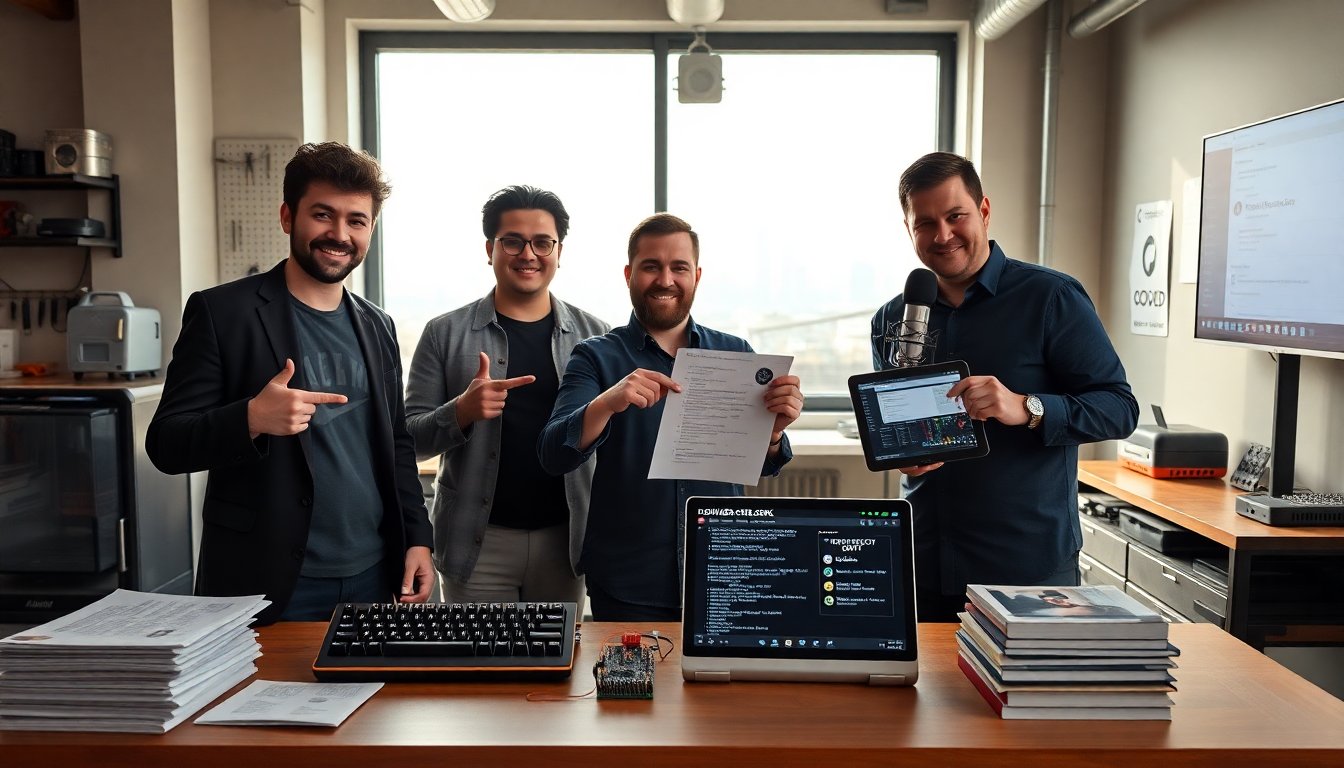
Cowded Crew Geek began as a small forum and then grew into a visible fan group. The group shares projects, memes, and code. The group posts daily updates and reviews. Fans meet online and at events. The group values practical skills, creativity, and friendly critique. This article outlines the origin, style, community, and ways to join Cowded Crew Geek.
Key Takeaways
- Cowded Crew Geek is a vibrant community that began in 2015, focusing on sharing practical projects, code, and creative content among tech enthusiasts.
- The group emphasizes short tutorials, build photos, and clear, concise guides that help members develop hardware mods and software tools.
- Active participation through posting repeatable guides, sharing source files, and engaging in mentorship programs boosts visibility within the Cowded Crew Geek community.
- Regular events such as virtual meetups, hackathons, and workshops foster skill sharing and collaboration among members in both online and local maker spaces.
- Joining Cowded Crew Geek involves signing up on their platform, contributing clear project posts, and following community guidelines to gain recognition and connect with peers.
- The community values clarity, teamwork, and steady improvement, supported by moderated forums, chat servers, and a public repository of projects and resources.
Origins And Evolution Of Cowded Crew Geek
Cowded Crew Geek started in 2015 as a chat channel for a handful of developers and fans. The founders posted build logs and short reviews. The group chose the name Cowded Crew Geek to signal a compact, active community. Members shared hardware tips and short how-to threads. Over five years the group added crewmember profiles and project galleries. The site added a wiki and moderated forums. Local meetups appeared in three cities in 2019. The community shifted from pure hobby to a mix of hobby and professional exchange. The group added live streams and a podcast. The podcast featured product tests and interviews with engineers. Cowded Crew Geek then expanded its social presence on image and video platforms. New members arrived from maker spaces and indie game studios. The group scaled volunteer moderation to keep discussions focused. Today Cowded Crew Geek hosts seasonal challenges and mentoring programs. The group keeps a public repository of community projects and guides.

Signature Style, Interests, And Content Focus
Cowded Crew Geek favors short tutorials, build photos, and opinion pieces. The group focuses on hardware mods, small software tools, and fan art. Members prefer photographic step-by-steps and concise code snippets. The tone stays practical and direct. The content blends maker projects, retro tech salvage, and speculative design sketches. The group curates content by quality and clarity. Cowded Crew Geek uses a set of tags to help users find guides and parts lists. The group highlights accessible projects that new members can replicate. The team posts regular lists of recommended tools and parts. The content mixes hobbyist how-to with reviews and event coverage. The group runs a weekly theme day to showcase focused work. The group promotes skill sharing and short mentorship threads.
Examples Of Projects, Media, And Fan Creations
Members build small devices like pocket servers and custom keyboards. Fans create pixel art and theme packs for open-source games. The community publishes collaborative zines and printable templates. One popular project fused an old radio with a single-board computer. Another member released an open firmware fork for a mechanical keyboard. Fans made animated stickers and short music tracks for the group’s podcast. The repository stores wiring diagrams, code snippets, and parts lists. The group posts step-by-step photo guides that new users can follow. Cowded Crew Geek also runs mini-hackathons with clear goals and prizes. The group documents each project with source files and attribution. The group encourages remixing and clear credit.
Community Culture, Events, And Social Hubs
Cowded Crew Geek values clear feedback and showing work-in-progress. The moderators enforce simple posting rules to keep content useful. Members praise good documentation and helpful comments. The group holds monthly virtual meetups and quarterly in-person gatherings. The events cover showcase nights, repair clinics, and beginner workshops. The community runs a mentorship rota for new builders. The social hubs include a forum, a chat server, and a curated image board. The chat server uses channels for projects, parts swaps, and job leads. The forum hosts long-form guides and an events calendar. Cowded Crew Geek partners with local maker spaces for tool access and workshops. The group runs ticketed events and free community sessions. The group keeps event recordings in an archive for late viewers. Members trade parts and help each other troubleshoot. The culture rewards clarity and steady improvement. Regular contributors earn badges that show skills and contributions.
How To Join, Contribute, And Get Noticed
A new user can join Cowded Crew Geek by signing up on the site or joining the chat server. The site asks for a short bio and a sample project post. New members can introduce themselves in a welcome channel. The group recommends posting a clear photo and a short step list for a first project. Contributors gain attention by publishing repeatable guides and sharing source files. Volunteering at events and helping with moderation raises visibility. The group tracks contributions with an open leaderboard and skill badges. Cowded Crew Geek encourages members to submit podcasts, tutorials, and guest posts. The editorial team reviews submissions and provides short feedback. The best way to get noticed is to publish useful content and to respond helpfully in threads. The group also runs a mentorship program that pairs new members with active contributors. Members who mentor often receive priority for event slots and featured posts. Cowded Crew Geek lists rules for credit and license to avoid disputes. The group asks contributors to cite sources and to allow reuse under clear licenses. New members often find collaborators through project tags and channel threads. The group highlights newcomer projects in weekly roundups to increase visibility.