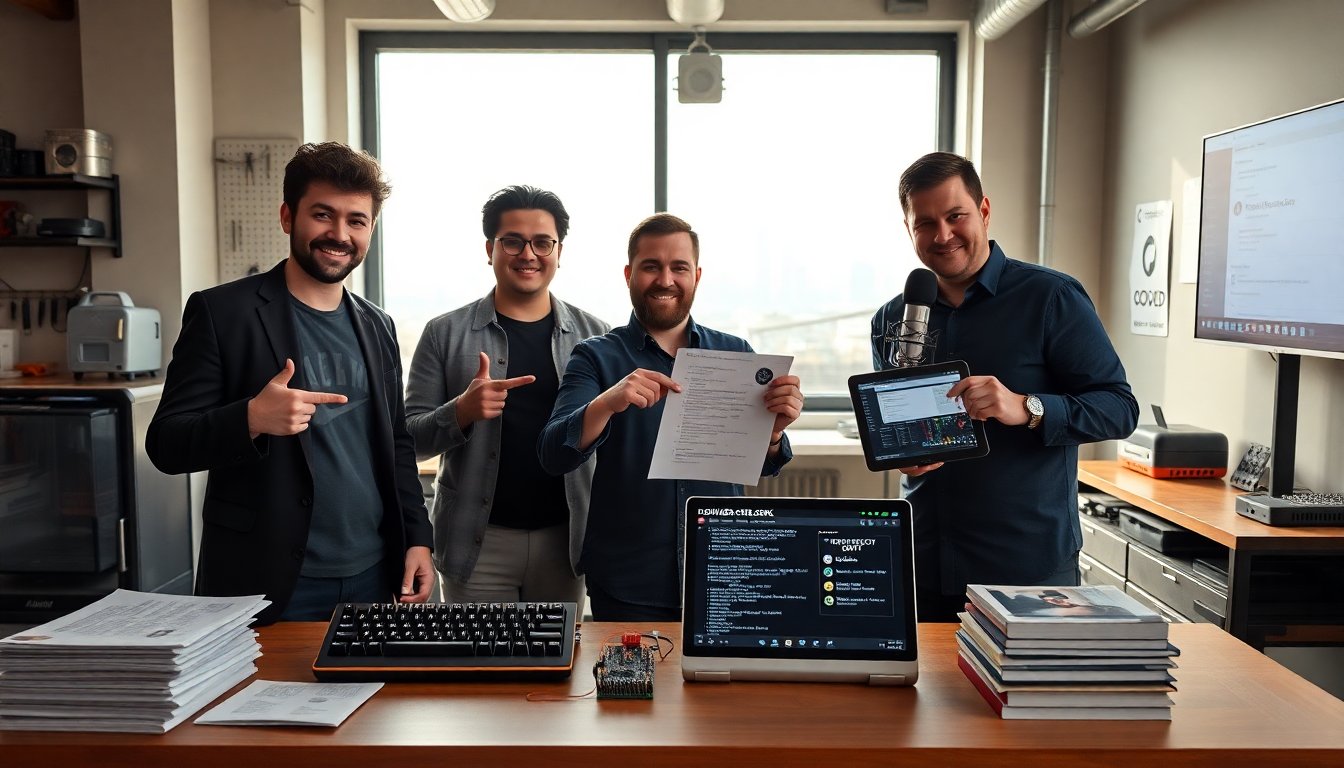
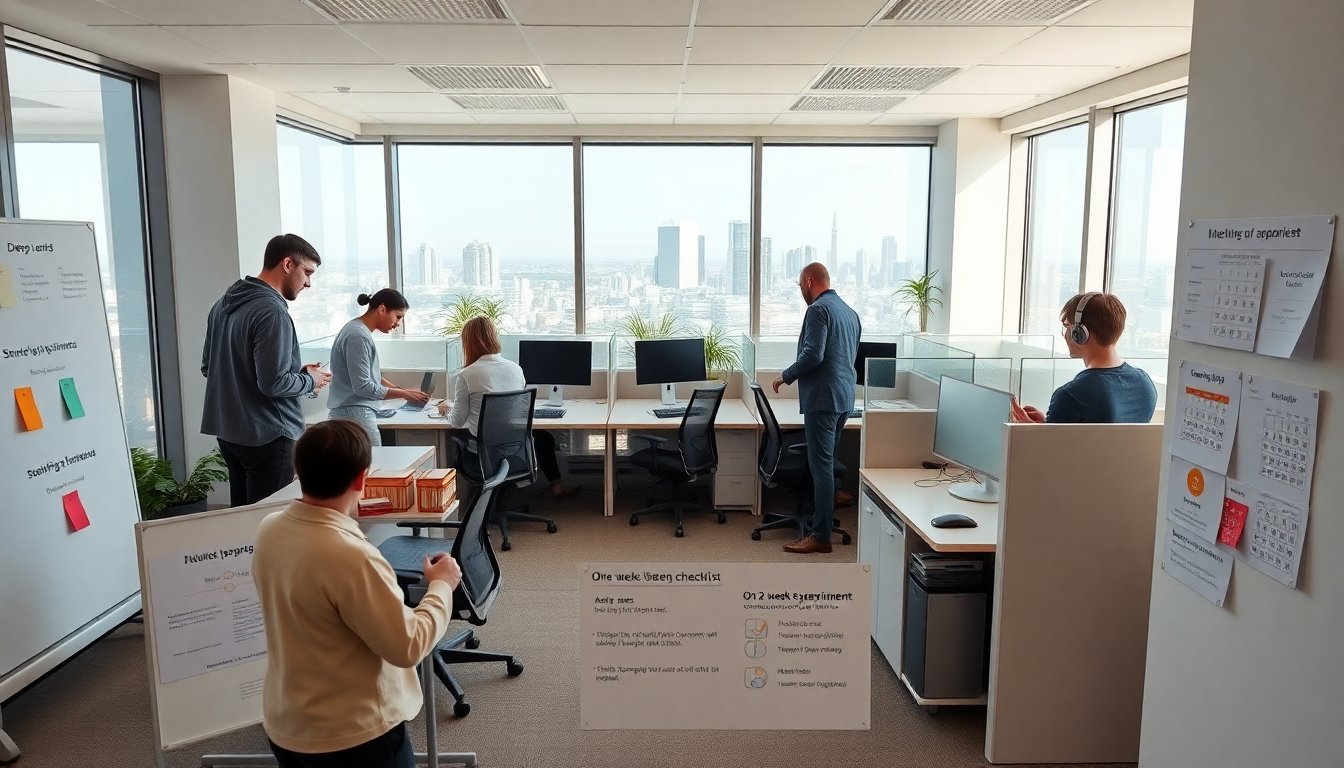
Crew geek cowded appears early in this guide to anchor the topic. It names teams that work in tight office floors, shared hubs, and hybrid spaces. The guide explains why crew geek cowded matters, what leaders change, and how teams keep focus. It sets clear steps for space, roles, tools, and hiring. Readers will find direct, practical ideas they can test in one week.
Key Takeaways
- Crew geek cowded describes teams working closely in limited spaces, emphasizing the need for strategic planning around space, roles, and tools to maintain productivity.
- Designing workspaces with distinct focus and collaboration zones, noise management, and visual cues helps teams balance interaction and concentration in crowded environments.
- Implementing ergonomic furniture, noise-cancelling technology, and efficient booking systems reduces downtime and physical strain in crew geek cowded setups.
- Clear role definitions, communication norms, and deep-work signals enable small tech teams to operate smoothly despite spatial and auditory challenges.
- Regular onboarding rituals, conflict resolution steps, and seating rotations sustain team norms and adaptability in high-density settings.
- Effective time management, hiring practices, and culture maintenance tailored for crowded markets foster team growth and retention under crew geek cowded conditions.
What “Crew Geek Cowded” Means And Why It Matters Today
Crew geek cowded describes teams that work close together in limited space. The term stresses density, shared resources, and frequent interruptions. It applies to startups, satellite offices, and coworking floors. Leaders read this and think about output, morale, and retention. They measure noise, desk turnover, and meeting load. When teams face crew geek cowded conditions, they must plan space, set habits, and pick tools that cut friction. The trend matters because rent compression and hybrid work push more people into fewer desks.
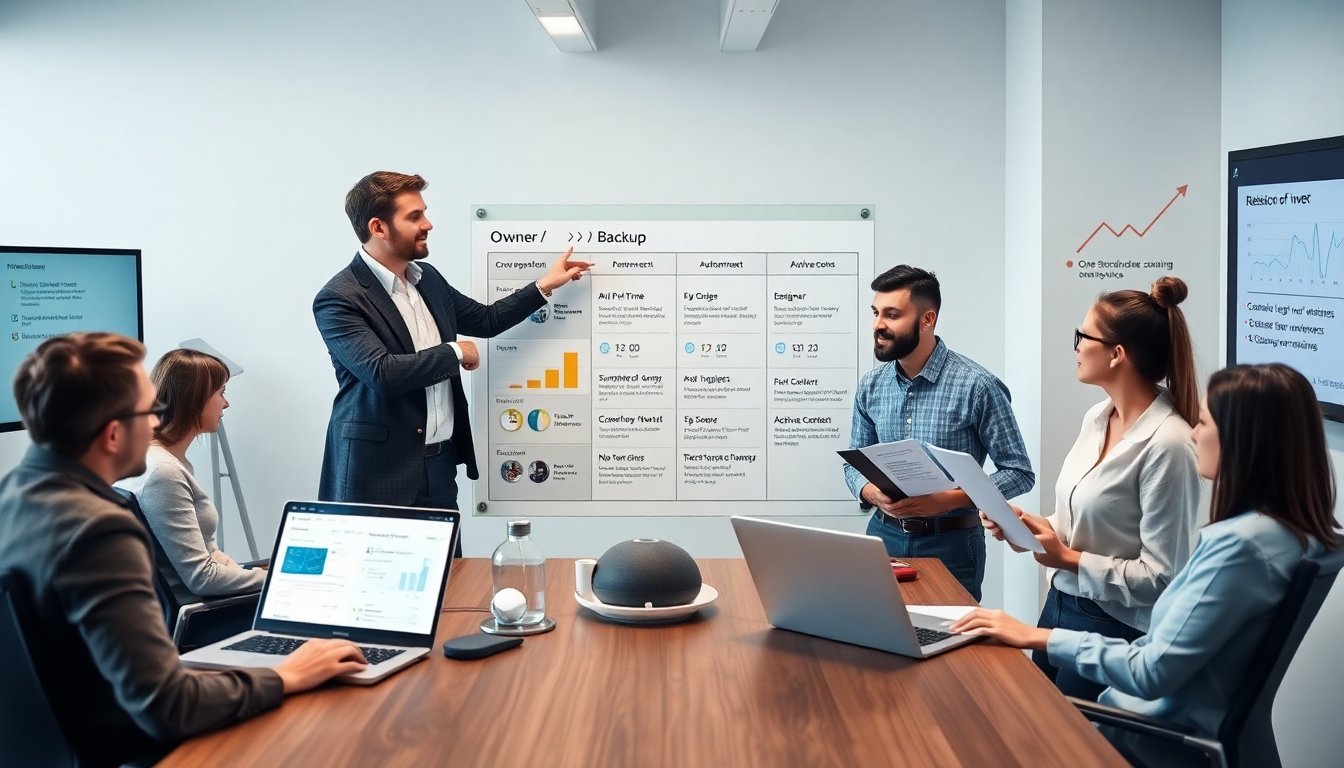
Designing Workspaces For Focus And Collaboration In Tight Spaces
Teams in crew geek cowded settings must balance focus and chat. Designers create small focus zones and small collaboration zones. They use movable panels, headphones, and visual signals to reduce interruptions. Managers map noise sources and move high-noise work away from quiet rows. They set clear booking rules for shared rooms. They place plants and low screens to absorb sound and to mark micro-areas. The aim is to let people choose quiet or company without travel. The result improves cycle time and lowers error rates.
Ergonomics, Tools, And Tech Hacks To Maximize Productivity
They fix posture with adjustable chairs and monitor arms. They add compact docking stations for hot desks. Teams use noise-cancelling headsets and focus playlists. They adopt shared calendars and desk booking software to prevent clashes. They deploy lightweight privacy screens and laptop stands to reduce strain. They pick collaboration tools that work offline and sync fast. They keep common chargers and spare peripherals in labeled bins. These changes cut downtime and lower small injuries in crew geek cowded setups.
Defining Roles, Norms, And Communication For Small Tech Crews
They assign clear role ownership to reduce overlap. They write short role cards that list key duties and handoff rules. They set response windows for chat and email to limit interruptions. They adopt a single source of truth for ticketing and docs. They schedule short daily check-ins and fewer long meetings. They keep meeting agendas and timeboxes visible. They use simple signals for deep work, like a light or a flag. These rules help small teams operate steadily in crew geek cowded environments.
Rituals, Onboarding, And Practical Conflict Resolution
They start new hires with a two-week micro-onboard that pairs task lists with a buddy. They run weekly rituals that share wins and blockers in ten minutes. They teach simple conflict steps: name behavior, state impact, offer one change. They log repeated issues and act fast on patterns. They rotate seating temporarily to break social friction. These rituals keep norms active and make crew geek cowded teams adapt faster to stress.
Productivity Practices And Time Management For Overloaded Teams
They block focus time on calendars and protect those blocks. They use two-hour deep work sessions and short follow-ups. They limit meeting attendees to essential people and they share decisions in notes. They apply simple triage to incoming tasks: urgent, important, later. They break large work into one-day slices that show progress. They run short post-mortems for missed deadlines and keep action items clear. These practices reduce context switching and keep crew geek cowded teams moving forward each sprint.
Hiring, Scaling, And Maintaining Culture In Crowded Markets
They hire with role clarity and realistic time expectations. They use small hiring panels to save time. They favor candidates who show communication habits for tight spaces. They scale by adding modular pods rather than large headcount bursts. They keep culture by funding small learning funds, micro-rituals, and clear feedback loops. They measure culture with short monthly pulses and act on three trends. These steps help firms grow in markets where crew geek cowded conditions are common and turnover risks are high.