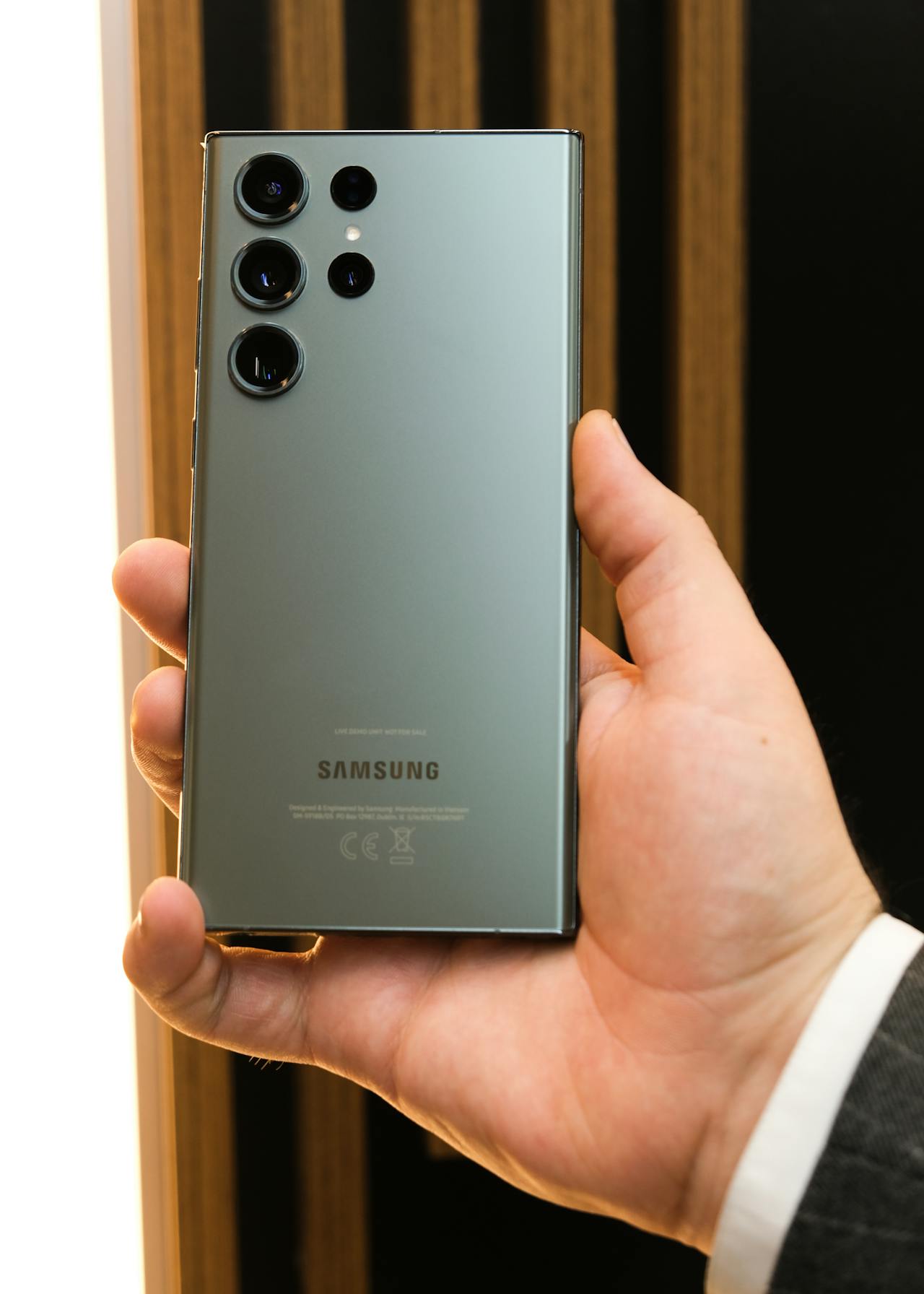
A gamer’s everyday carry has shifted well beyond keys and a wallet, since mobile play, handheld cloud streaming, and cross-platform chat make the phone a core part of the setup. This article breaks down a practical, travel-friendly carry approach that keeps your phone protected, powered, and easy to use during commutes, trips, and long days away from an outlet. It will cover two main areas: first, protection choices that fit gaming habits, and second, charging and compact accessories that improve reliability on the move.
The foundation of any gamer EDC is protection that matches how and where you play, because drops, camera scratches, and screen impacts tend to happen during quick transitions—standing up from a couch, walking outdoors while queueing, pulling the phone from a pocket near a zipper, or gaming in transit. A sensible protection setup starts with three checks: drop risk, grip, and compatibility with your routine. If you game in crowded places or while commuting, prioritize grip and corner protection, since most real-world drops land on edges. If you play a lot of landscape games, look for a case shape that feels stable in hand (not too sharp, not too slippery) and doesn’t create pressure points on your pinky or palms. Also consider camera protection: modern flagships have raised camera modules that can scrape when placed on tables, so a raised bezel around the camera area can matter as much as screen lip height. If you use wireless charging, verify the case doesn’t introduce alignment issues, especially if you rely on magnetic mounts or car chargers. Screen protection is the other half: tempered glass is usually the most forgiving for daily use, and it can help prevent small abrasions from becoming distracting during gaming. For example, imagine a weekend trip where you’re navigating, taking photos, and playing in short bursts between stops; you set the phone on café tables, pull it in and out of a bag, and use it one-handed while carrying luggage. In that scenario, the most useful protection is the kind you never notice: steady grip in landscape mode, protected corners, and camera clearance that prevents micro-scratches from daily surfaces. Some gamers choose branded options like Ghostek phone cases for these types of use patterns, but the practical point is the feature set—grip, corners, and camera/screen lip—rather than the logo.


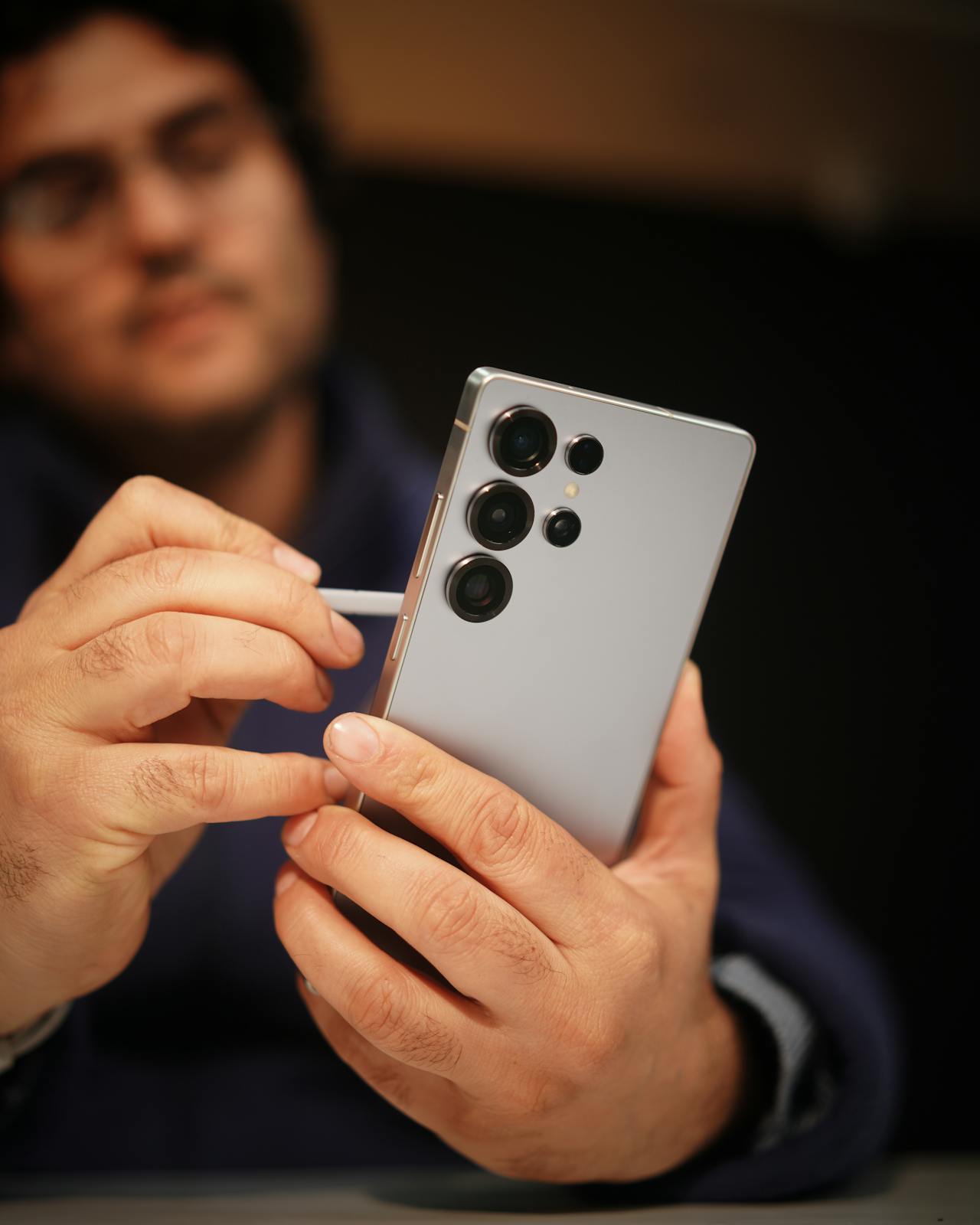
The second piece is power and travel-friendly accessories, where the goal is to avoid battery anxiety without hauling bulky gear. Start with a power bank that matches your actual gaming habits: if you play in short sessions, a smaller bank is easier to carry and still covers a full top-up; if you stream games or use high refresh rates for long sessions, a higher-capacity bank becomes worthwhile. Choose USB-C Power Delivery (PD) support so your phone can charge efficiently, and pay attention to output wattage—many modern phones benefit from higher wattage chargers, but even moderate PD output is often enough to stabilize battery during long days. Then simplify your cables: one high-quality USB-C to USB-C cable with good durability can cover phone charging, power bank charging, and even laptop charging in a pinch. If you travel, a compact wall charger with multiple ports (USB-C + USB-A, or dual USB-C) reduces clutter and keeps your bag lighter. For gamers, latency and stability also matter, so consider one “connectivity” accessory: a small USB-C hub or adapter that lets you use wired headphones, Ethernet (where relevant), or connect to a display in hotels and rentals. Audio is another quality-of-life upgrade: if you play in noisy environments, a reliable set of earbuds with good passive isolation or ANC can improve focus, while wired options remove Bluetooth battery and pairing friction. Finally, think about mounting and comfort: a compact phone stand can improve ergonomics on planes and trains, and it’s often more comfortable than holding the phone for an hour straight. For example, consider a long flight where you plan to watch content, play a couple of matches, and message friends; without a power bank and a compact charger, you may end up rationing battery and lowering brightness aggressively. With a small PD power bank, a sturdy USB-C cable, and a simple stand, you can keep the phone comfortable to use, maintain a stable charge level, and avoid scrambling for outlets mid-trip.
In summary, an effective gamer everyday carry comes down to protection that matches your drop and grip realities, plus a compact power setup that keeps your phone reliably charged on the move. Prioritizing corner protection, camera clearance, and a comfortable landscape grip reduces common damage risks, while a PD power bank, a durable USB-C cable, and a compact charger prevent your battery from becoming the limiting factor. The best EDC is the one that stays minimal but solves the problems that actually interrupt gaming and travel—slips, scratches, low battery, and awkward ergonomics.